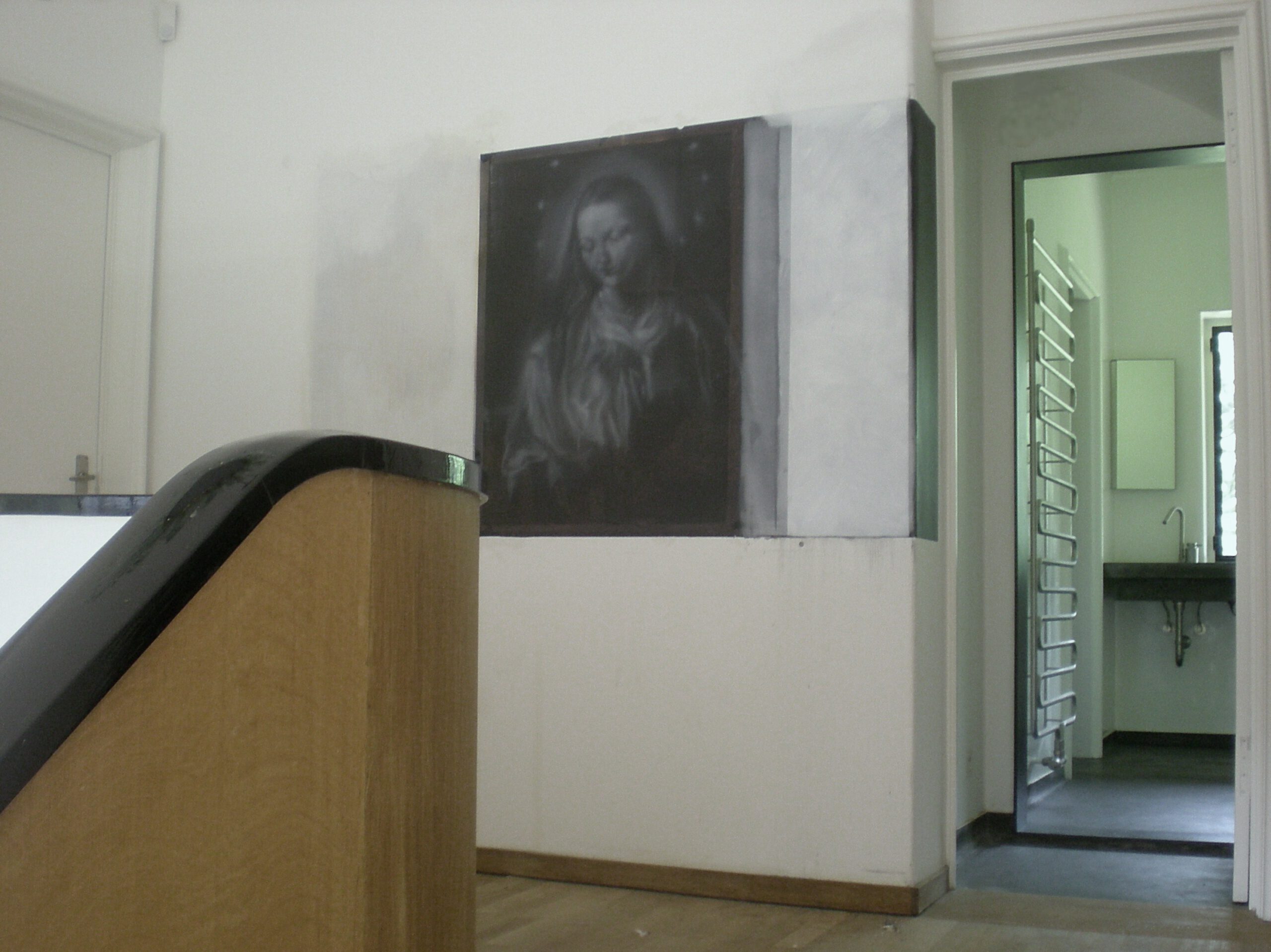
muurschildering Matthieu Ronsse
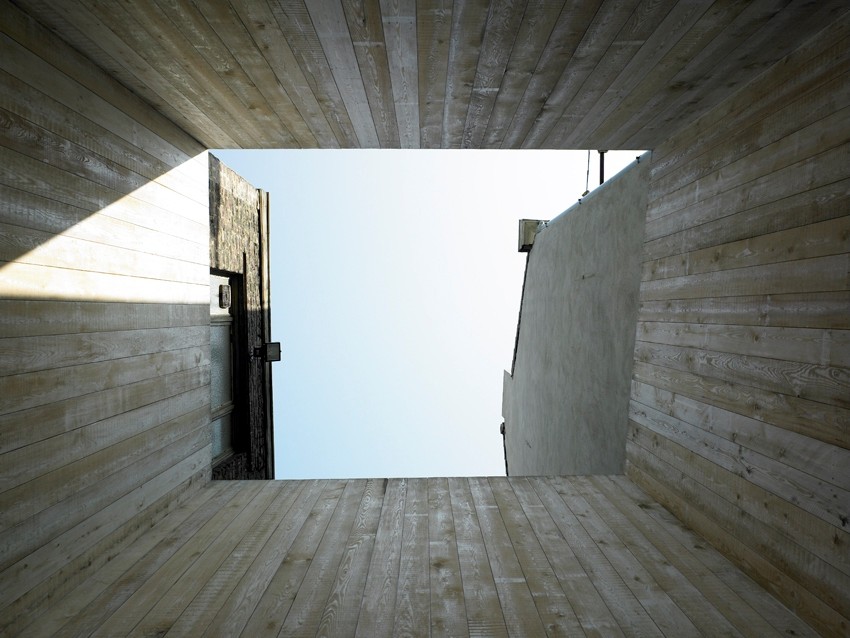
twiggy - verbouwing van een winkelpand - 2006 - ontwerp ism jan van gassen


BIO-ENERGY refers to the various forms of life energy. It is committed to the well-being of individuals as energetic beings in harmony with themselves and their surroundings.
The focus is on restoring wholeness to the person, the animal and nature. The goal is to create harmonic balance, with polarity of 12/19 or 5/8, on the physical, emotional, mental, spiritual and social levels of the individual.
This not only includes the energetic network within and around the body, but also the interaction with the environment. As a result, an imbalance affecting an individual is occasionally addressed and remedied collectively.
Step by step the most dominant disturbing factor is identified and addressed to revitalize the self-healing capacity and balance the energy.
This technique enables precise identification of the sources of issues. Geobiology comes to the fore when a condition is related to electro- or geopathogenic influences in the environment.
The analysis of the energetic quality of foods, supplements and medications also includes screening their impact and compatibility with the body. In addition to analyzing the energetic quality of foods, supplements and medications, their compatibility with the body is also screened.

Harmonious balance is essential for our physical and mental well-being. Even in classical civilizations, the golden ratio was recognized as a universal principle symbolizing the ideal relationship between two forces or poles — often represented as 5/8. This dynamic balance goes beyond the visual; it represents a deeper order in which health and quality come together. Not only in our bodies and minds, but also in the space that surrounds us, this ratio reflects a natural harmony that has served as a compass throughout the centuries.
The well-known reference book “Neufert Architects’ Data” devotes several pages to geobiology under the heading of building biology — the discipline that studies how the environment affects humans. It specifically looks at the effects of soil, buildings, spaces, building materials, and installations on our health and well-being.

Although geobiology was historically an integral part of architectural design, this field has since gradually faded into the background — paradoxically, now that its principles are more relevant than ever, partly as a result of the exponential increase in artificial electromagnetic radiation in our increasingly dense living environments. The harmful impact on plants and animals should not be overlooked.
Technological advances have also contributed to new insights into the complex interaction between environmental factors and health. In particular, growing knowledge about frequencies in healthcare has opened up new perspectives, with the concept of polarity once again coming to the fore.
Electromagnetic fields in our environment also influence our physical and mental balance — often without us realizing it. Every place carries its own energy; the frequencies present vary by location and influence how we feel and function. The name TERRAIN was born from this insight.
TERRAIN creates harmony in our living environment — both in existing contexts and future projects — by tuning into the unique energetic characteristics of each place.
TERRAIN stands for building in harmony with the location.
This involves using the environment as a basis for balance and health.
The design method is based on geobiology, which focuses not only on tangible elements but also on the effects of electromagnetic fields. This results in more thoughtful design choices that resonate with the environment. The aim is to establish a long-term connection with the site by harmoniously integrating the subtle and the rational — not by shaping the site according to individual, usually non-collective preferences.
TERRAIN integrates the bleuprint of the place into the design.
The design is linked to the needs of the location to recover from harmful disturbances. Likewise, favorable qualities that improve the well-being of residents and users are used.
By developing the project in dialogue with the environment using a decision tree, the process can run more efficiently based on feedback from the site itself.
TERRAIN explores how design concepts can be used meaningfully and appropriately for the site.
The advice supports the design and construction process in selecting the most favorable choices, which lead us to an optimal qualitative and clear balance. This does not imply a rigid application of the golden ratio, but rather an approach to harmony based on energetic alignment.
In addition to implantation, spatial organization and layout; building principles and materials are crucial for disturbance-reducing and harmonizing construction. Their energetic quality and compatibility are tested and their effect on the environmental context is screened. For example, the fact that a product scores positively on durability does not say enough about the quality of its overall properties. A construction principle or material that works in one location is therefore not always compatible at other locations.
The evaluation additionally zooms in on form features such as scale, volumetrics, proportions and rhythm; on material features such as transparency, color and texture.
TERRAIN cleanses places.
Terrain carries out on-site bio-remediation of existing buildings and following completion of construction work. This involves neutralizing any remaining harmful information carriers and balancing positive environmental influences.
Each advisory package is tailored to the project, ensuring that the design is optimally aligned with the DNA of the location.

[email protected]
T+32 479 21 85 84
Sophie Meersseman (1971°) has an extensive background in architecture and interior design. She studied at Sint-Lucas Ghent and gained experience at renowned architecture firms such as Vincent Van Duysen, Stéphane Beel and Xaveer De Geyter. She also taught design at KU Leuven, Sint-Lucas Architecture campus in Ghent.
What makes her work unique is her expertise in well-being from an energetic perspective. She uses an integrative approach aimed at sustainable quality of life. Her research starts from clear intentions. She believes that energy is the starting point for any engagement and largely determines how we individually and collectively interact with and shape the world.
Her practice thrives on three closely linked complementary pillars: architecture, bioenergy and geobiology.
As an architect, she is passionate about creating spaces that are not only functional, but also have a positive impact on the well-being of their users. Her designs are thoughtful and strive for harmony between people and environment.